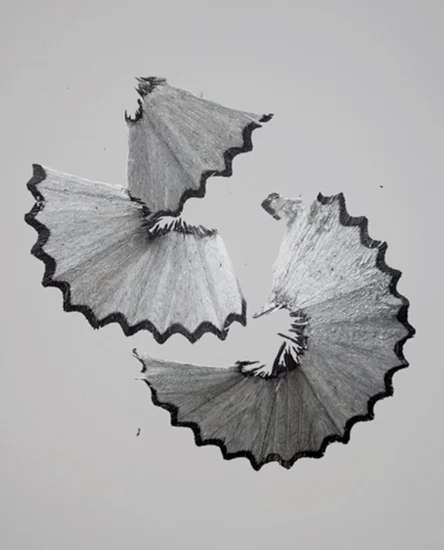
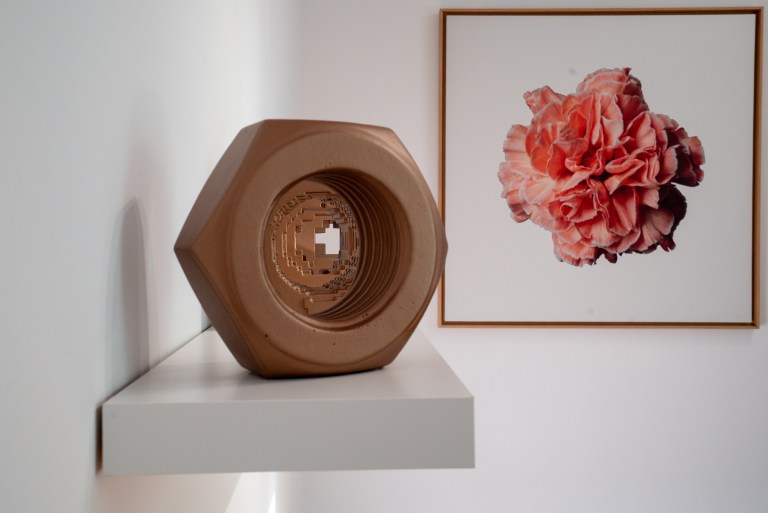
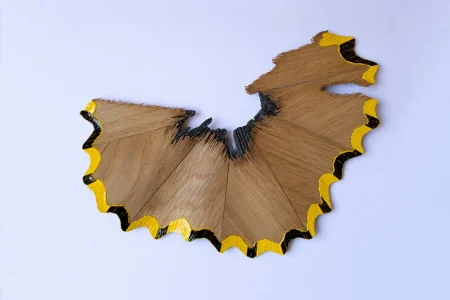
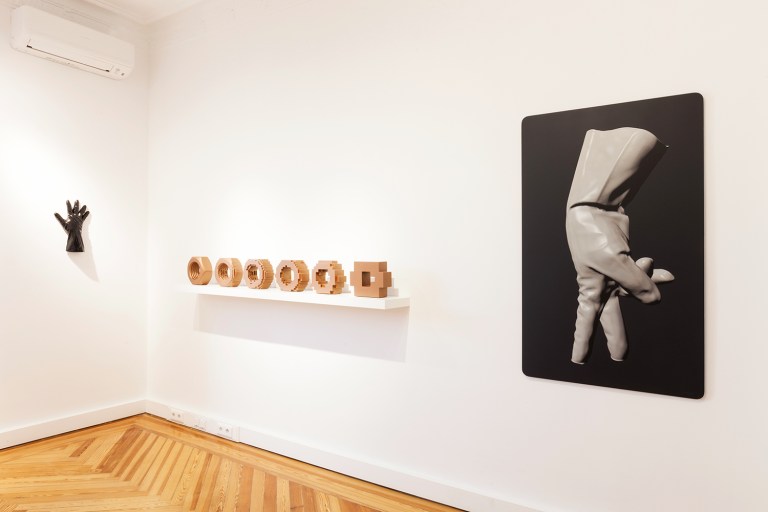
A self-taught artist who held his first solo exhibition at the tender age of 16. On the artistic front, he draws inspiration from the works of Jan van Eyck and Roger van der Weyden of the Flemish painting, Caravaggio of the Baroque, and Claes Oldenburg of the Pop art movement to forge a distinctive style—a new realism that portrays decontextualized everyday objects (as seen in series like Macro or Zoom). In some instances, he delves into the impact of digitization on our lives through various approaches (as evident in series like Hi-Res or the recent Tenebrismo Digital). He made his inaugural appearance at ARCO over a decade ago, and his creations grace esteemed collections, including the private collection of Beth Roodin de Woody, a benefactor of the MET in New York.
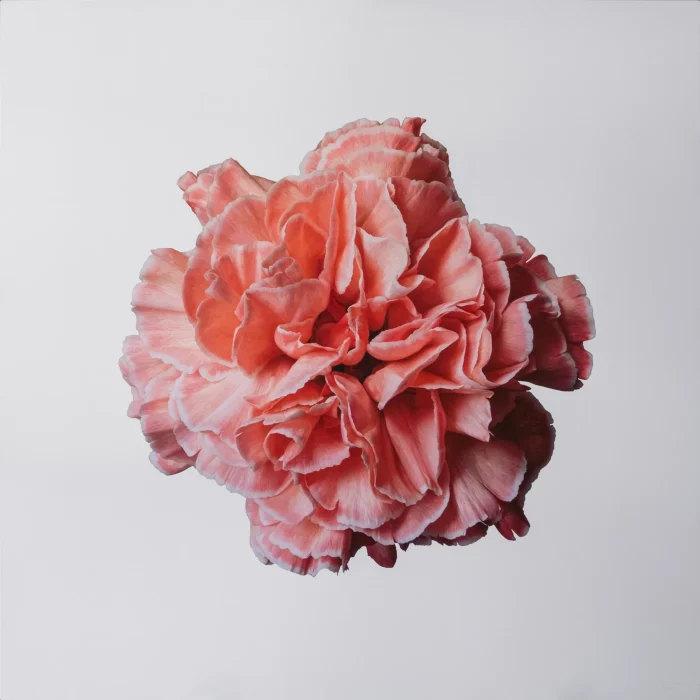
2024 | 120 x 120 cm | Acrylic, color pencil, and ink on board
Blossoming 3 | Rómulo Celdrán
2024 | 120 x 120 cm | Acrylic, color pencil, and ink on board
Digital tenebrism 18 | Rómulo Celdrán
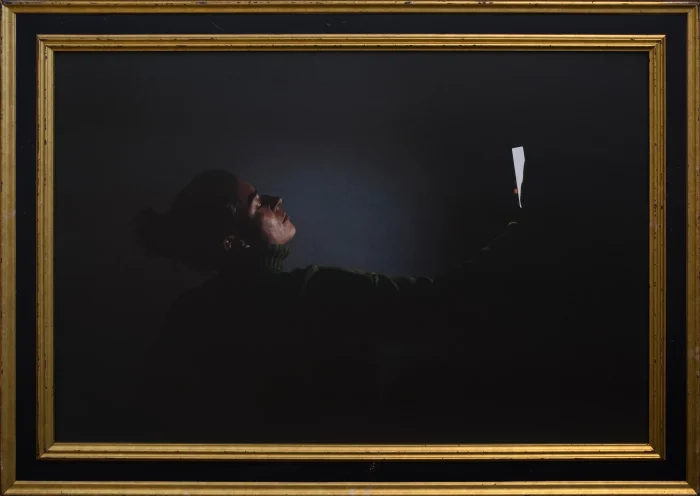
2024 | 124 x 84 cm | Acrylic, color pencil, and ink on cardboard board
Digital tenebrism 5 | Rómulo Celdrán
2021 | 125 x 90 cm | Acrylic and color pencil on cardboard board
Zoom 53 | Rómulo Celdrán
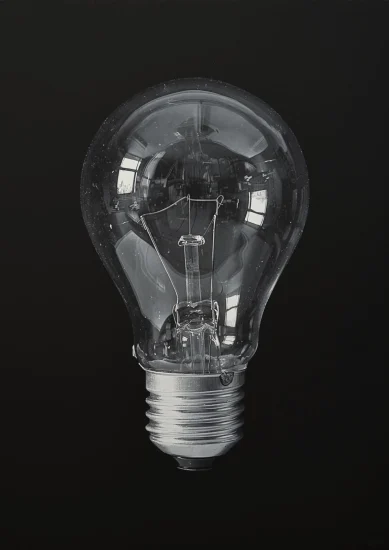
2020 | 75 x 55 cm | Acrylic, ink, and color pencil on cardboard board
Zoom XXXIII | Rómulo Celdrán
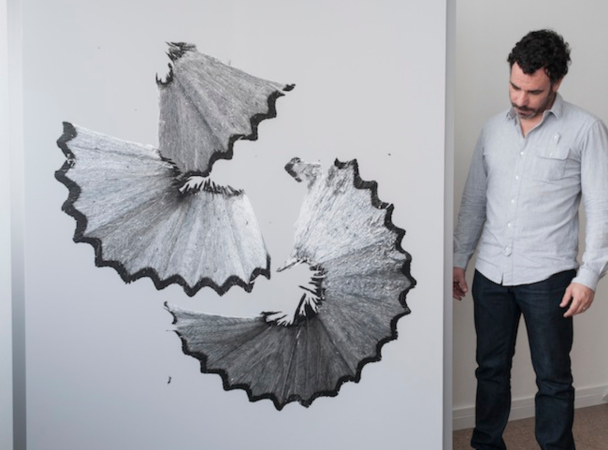
2013 | 175 x 145 cm | Acrylic and pencil on cardboard
CURRENT EXHIBITION
THE EVERYDAY, ELEVATED THROUGH FORM
September 2025 - March 2026
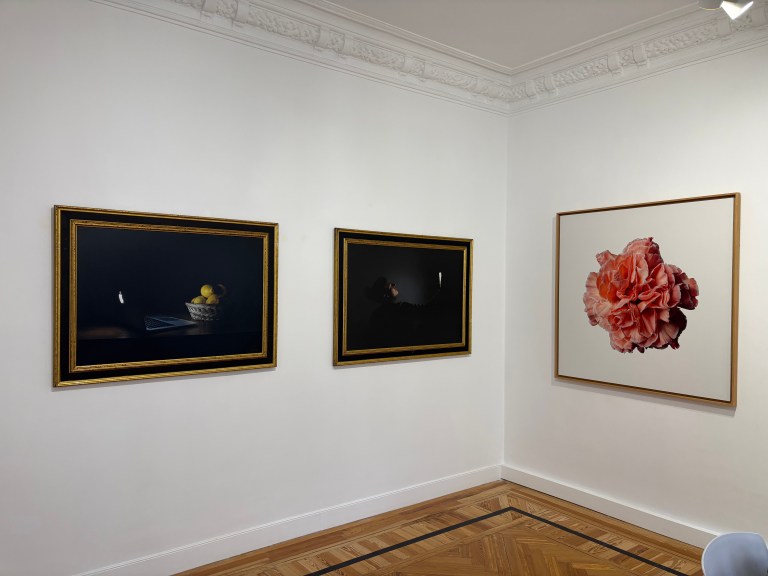
Rómulo Celdrán transforms ordinary objects into poetic reflections on perception. Blossoming celebrates the structural beauty of flowers beyond decoration, while Digital Tenebrism reimagines Baroque light through today’s digital glow. Both series explore the tension between nature and technology, inviting us to see the familiar with new eyes.
Contact us if you want to know more about this artist, get information about a specific piece, or view more of their available artworks.
PAST EXHIBITIONS
BLOSSOMING & DIGITAL TENEBRISM
March 2025 - September 2025
This exhibition brought together two recent series by Rómulo Celdrán, exploring the tension between nature and technology, light and shadow, precision and mystery.
While Blossoming celebrates the structural intelligence of organic life through mathematically composed floral forms, Digital Tenebrism offers a contemporary reimagining of Baroque chiaroscuro, where the glow of screens replaces candlelight. Together, both series reflect Celdrán’s masterful ability to observe, magnify, and reframe the visible world, inviting viewers to look closer—beyond appearances, into systems, symbols, and silence.
This exhibition presented a selection of early and mid-career works by Rómulo Celdrán, encompassing painting, graphite drawing, and sculpture—three mediums through which the artist explores illusion, perception, and technical mastery.
From hyperrealist drawings of urban interiors to stone and wood sculptures that mimic everyday objects with unsettling precision, the show revealed Celdrán’s ongoing investigation into the limits of materiality and representation. Rather than a display of virtuosity alone, his work invites surprise, irony, and quiet reflection on the nature of art and its capacity to deceive the eye while engaging the mind.
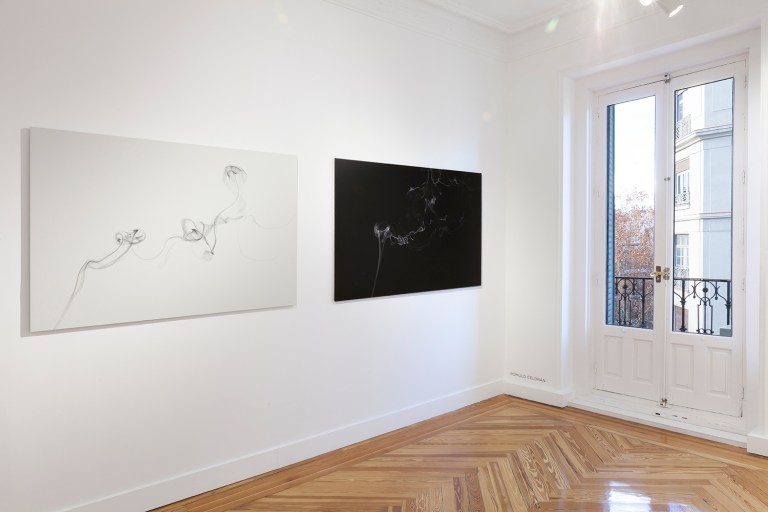
With SMOKE, Rómulo Celdrán turns his technical mastery toward one of the most elusive subjects: the ephemeral movement of smoke. Through a series of large-scale drawings, the artist captures the intangible with astonishing precision, transforming lightness into form and transience into visual architecture.
This body of work explores the poetics of impermanence, where illusion and detail converge. In SMOKE, perception is suspended, inviting viewers into a space between appearance and disappearance—between what is seen and what is imagined.
ENEAS was a one-night collective exhibition curated by Saisho in collaboration with Eneaverso.
Held in Madrid, it brought together 21 contemporary artists and over 600 guests—including collectors, curators, and critics—in a multisensory journey through eight levels of artistic experimentation: from composition and material to light, texture, and technique. Inspired by the myth of Aeneas and structured around curatorial criteria rather than trends, ENEAS marked a new approach to experiencing and valuing contemporary art.