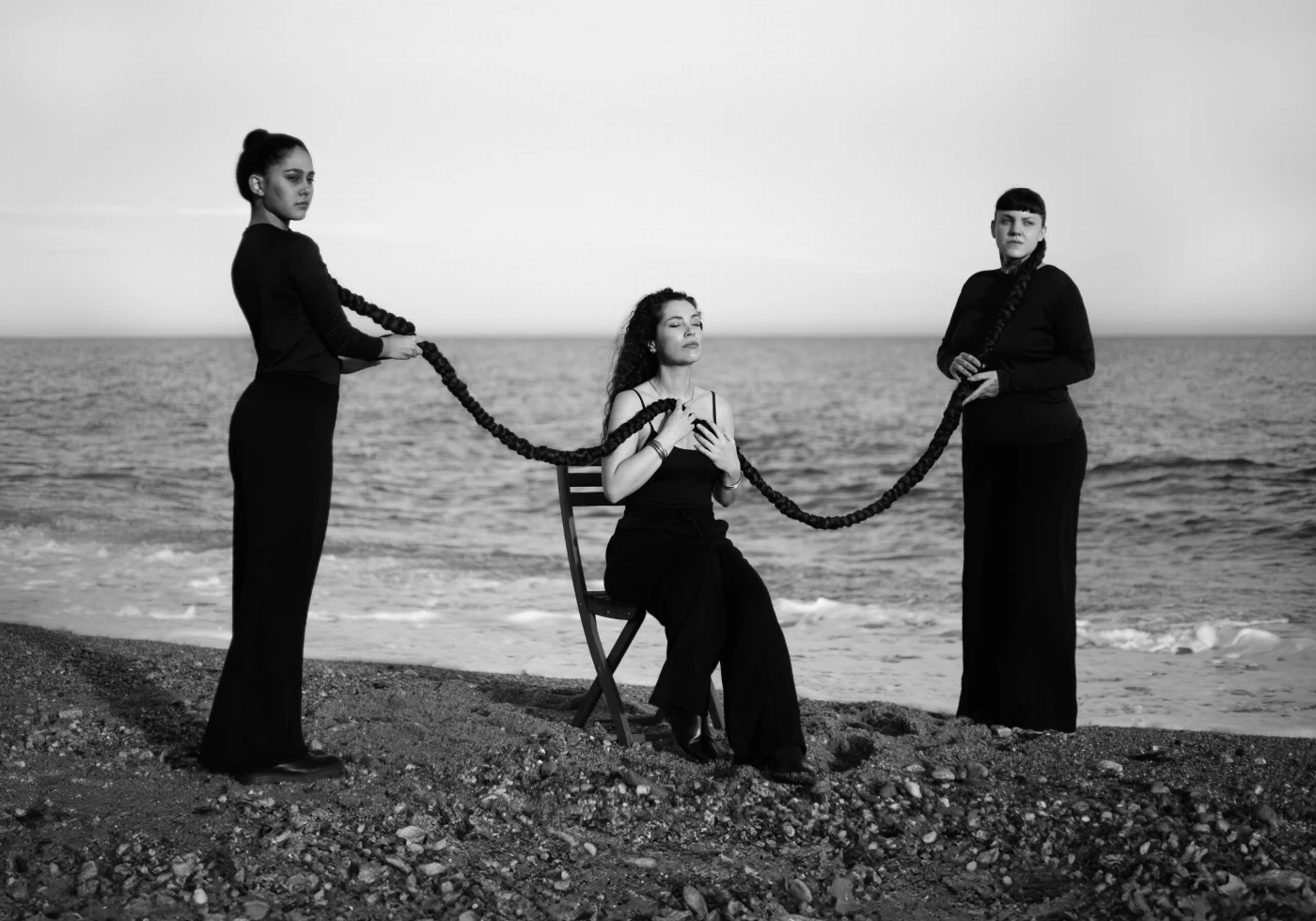
Alejandra Glez is a multidisciplinary artist whose practice spans photography, installation, video art, and performance. Her work explores identity, memory, and spirituality, deeply influenced by Afro-Cuban culture and by her connection to water as a symbol of transformation and healing. Recognized for her deeply personal and critical perspective, Glez addresses themes such as femininity, sisterhood, and emancipation, challenging imposed narratives and creating spaces of resistance. Her work has been exhibited at prestigious international institutions and featured in numerous specialized publications.
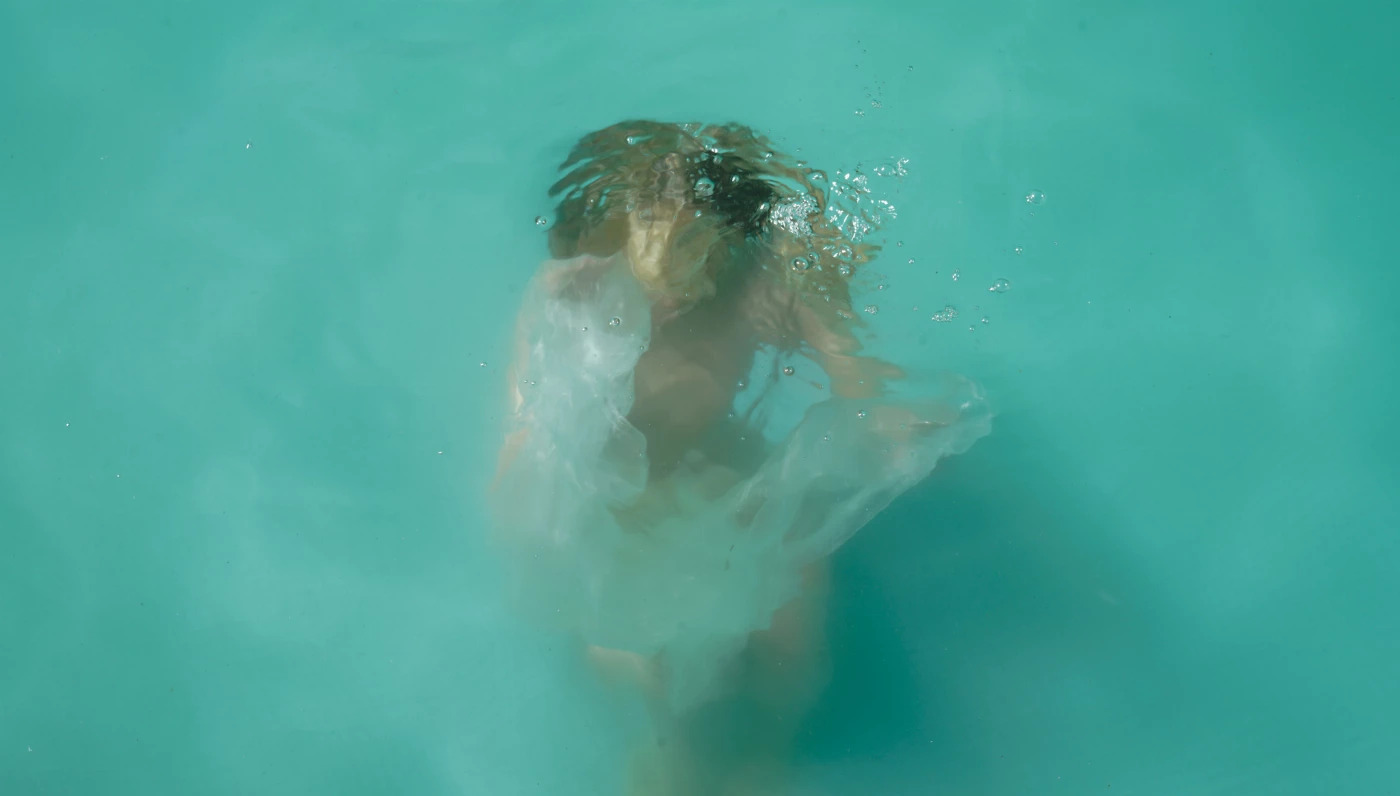
Alejandra Glez places the female body at the center of a visual investigation where identity, memory, territory, and water become inseparable. In her photographs and performative actions, the body enters the ocean not as a backdrop, but as a force that transforms it—floating, disappearing, emerging, and dissolving its own limits.
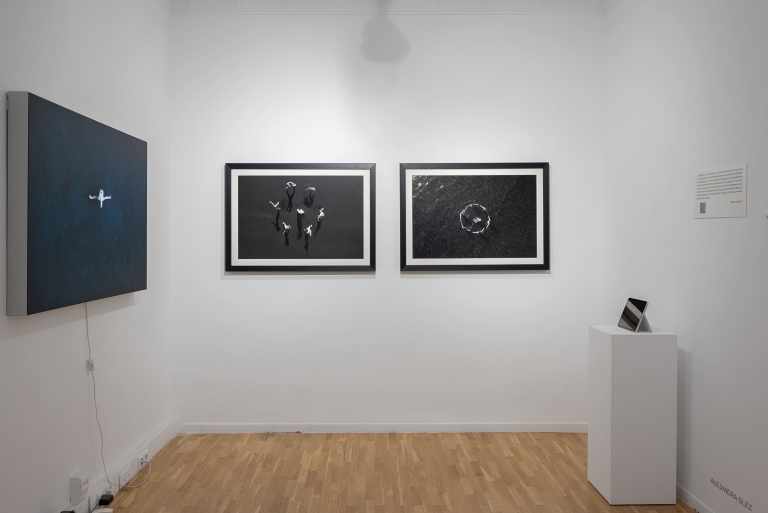
Through works such as Danzando con el mar, Oyalokun, and Agua, Glez explores water as origin, refuge, threat, and memory. In the context of 10 Years. 10 Artists. 10 Stories, her work reveals what lies beneath the surface: the fragile boundary between body, nature, ancestry, and the contemporary world.
Contact us if you want to know more about this artist, get information about a specific piece, or view more of their available artworks.
EVENTS
ENEAS
June 2025
Madrid, Spain
ENEAS was a one-night collective exhibition curated by Saisho in collaboration with Eneaverso.
Held in Madrid, it brought together 21 contemporary artists and over 600 guests—including collectors, curators, and critics—in a multisensory journey through eight levels of artistic experimentation: from composition and material to light, texture, and technique. Inspired by the myth of Aeneas and structured around curatorial criteria rather than trends, ENEAS marked a new approach to experiencing and valuing contemporary art.
In this homage to Matisse, Ikella Alonso shifts from the aerial logic of the map to a vertical composition—transforming the plan into an elevation. Drawing from satellite views of Le Cateau-Cambrésis, Matisse’s birthplace, Alonso evokes not just geography but memory, conjuring fractured reflections that recall windows opening toward the sea. These works suggest a poetic reawakening of painting: from blueprint to vision, from distance to intimacy.