10 YEARS. 10 ARTISTS. 10 STORIES.
Alejandra Glez
DATES & LOCATION
September 2026 – October 2026
S Gallery Madrid
c/ Ferraz 78, 28008 Madrid
ABOUT THE EXHIBITION
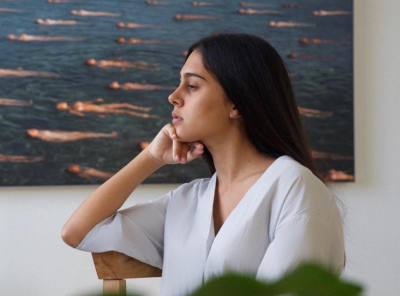
Alejandra Glez places the female body at the center of a visual investigation where identity, memory, territory, and water become inseparable. In her photographs and performative actions, the body enters the ocean not as a backdrop, but as a force that transforms it—floating, disappearing, emerging, and dissolving its own limits.
Through works such as Danzando con el mar, Oyalokun, and Agua, Glez explores water as origin, refuge, threat, and memory. In the context of 10 Years. 10 Artists. 10 Stories, her work reveals what lies beneath the surface: the fragile boundary between body, nature, ancestry, and the contemporary world.
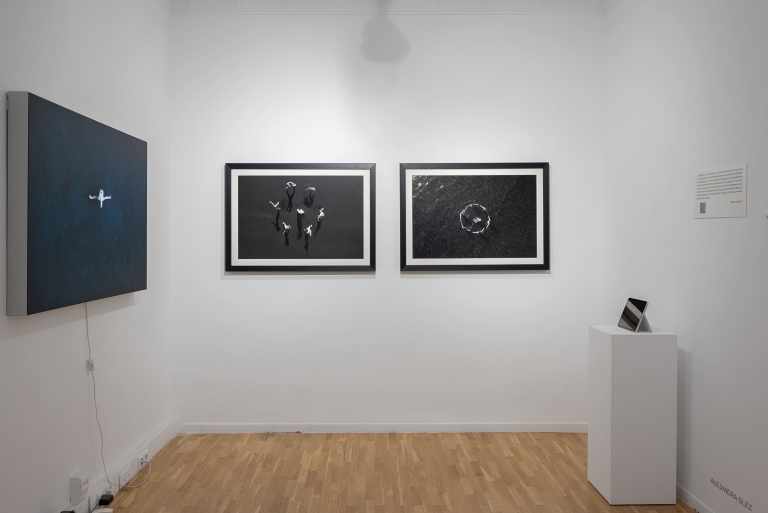
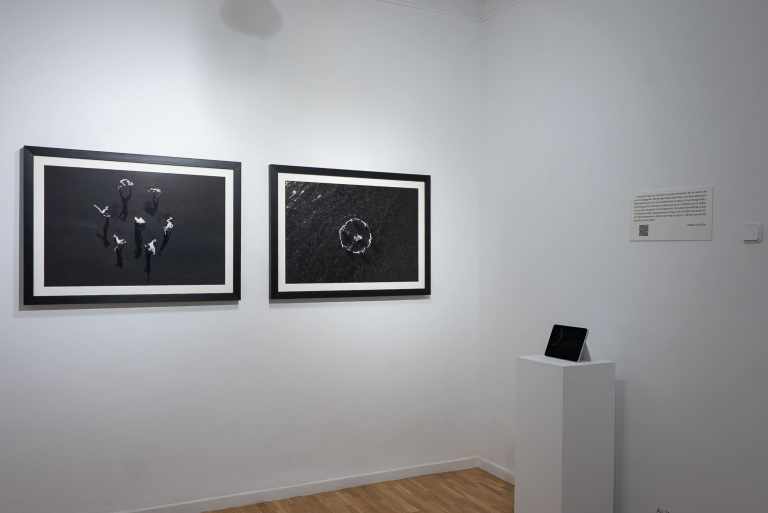


FEATURED ARTWORKS
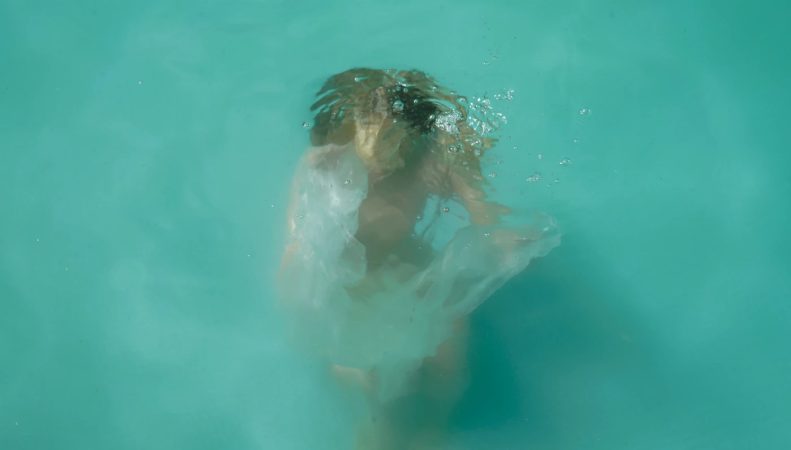
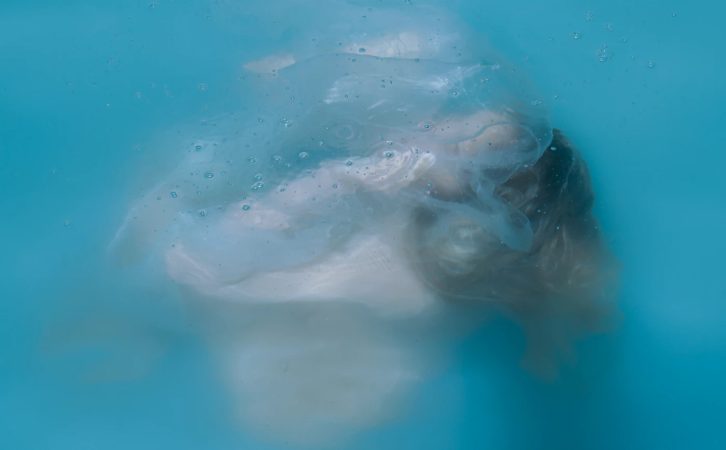
ABOUT THE ARTIST
ALEJANDRA GLEZ
Alejandra Glez is a multidisciplinary artist working across photography, installation, video, and performance. Influenced by Afro-Cuban culture and spirituality, her practice explores identity, memory, femininity, and emancipation, with water emerging as a recurring symbol of transformation and healing. Through an intimate yet critical perspective, she challenges imposed narratives and creates spaces of resistance and empowerment.
CURATORS' COMMENTARY
The memory of water
by Pablo García
Madrid, 2026
Alejandra Glez has placed the female body at the centre of an investigation in which identity, memory, and territory are traversed by a single element: water. In her photographs and performative works, the body comes into contact with the ocean not to use it as a setting, but to submit to its conditions. It floats, disappears, emerges, and transforms until it becomes difficult to determine where the figure ends and its surroundings begin.
This relationship takes on particular significance in Dancing with the Sea and Oyalokun. In both series, Alejandra Glez understands the ocean as a space of return. The movement of the body within the water evokes a state prior to form and gravity, but also a memory that extends beyond the individual. Floating thus becomes a way of symbolically returning to the origin.
In Dancing with the Sea, this exploration takes on an intimate dimension. The body surrenders to the movement of the ocean and progressively loses its boundaries. Dance does not function as representation, but as a form of relationship: each gesture depends on the current, the weight of the water, and an external force that constantly alters the figure. The sea ceases to be a landscape and becomes an active agent within the image itself.
Oyalokun expands this relationship into the territory of history and ancestral memory. Alejandra Glez intertwines references from Yoruba and Taíno cosmologies to consider the ocean simultaneously as origin, boundary, and place of passage. Oya, Olókun, and Guabancex emerge as presences that connect the contemporary body with other ways of understanding nature, the feminine, and the sacred. The same sea historically traversed by displacement and conquest becomes, here, the setting for an imagined return.
But the water that appears in Alejandra Glez’s work does not belong solely to the ancestral realm. In Water, this relationship shifts towards a profoundly contemporary concern. A female body remains suspended beneath the surface while plastic clings to it until it becomes almost indistinguishable from the skin. The image retains the beauty and stillness of her earlier works, but introduces an anomaly: what envelops the body no longer belongs to the natural world.
The tension of the work lies precisely in this coexistence. The plastic appears foreign and, at the same time, seems to have integrated seamlessly into the scene. The artificial takes on an organic, almost sensual quality, making an uncomfortable reality visible: what we once understood as external pollution has ultimately become incorporated into the landscape and into our own experience of nature.
The five works brought together in this exhibition thus reveal different possibilities within the same relationship. Water can be both refuge and threat, memory and present, origin and transformation. Confronted with it, the body never remains intact. Each immersion entails accepting a temporary loss of its boundaries and the possibility of returning transformed into something else.
In 10 Years. 10 Artists. 10 Stories., Alejandra Glez invites us to look precisely towards this unstable territory. Beneath the surface, what seemed to separate body, nature, and memory begins to disappear. Water does not conceal the image: it reveals everything we carry within us but cannot see.