THE BODY, EXPLORED AS AN
EMOTIONAL AND DUAL VESSEL
Horacio Quiroz
DATES & LOCATION
September 2025 – March 2026
S Gallery Madrid
c/ Ferraz 78, 28008 Madrid
ABOUT THE EXHIBITION
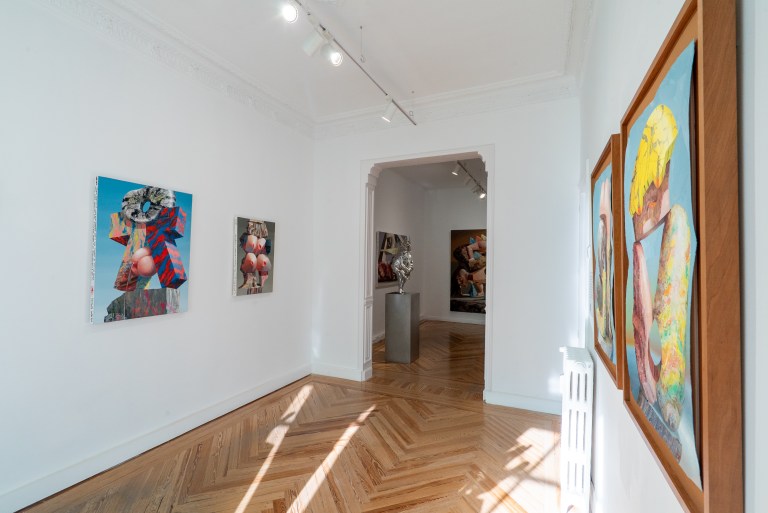
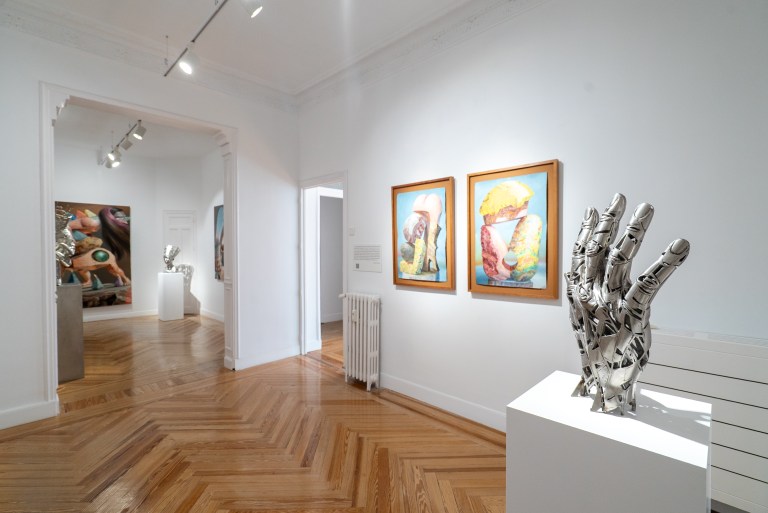
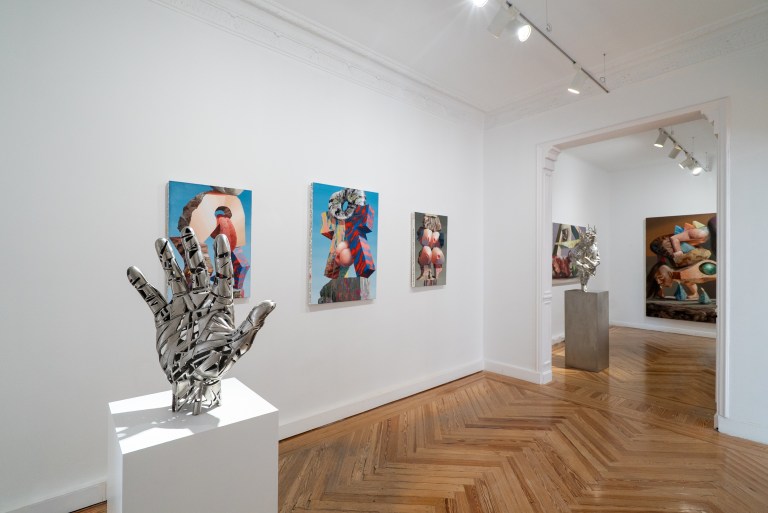
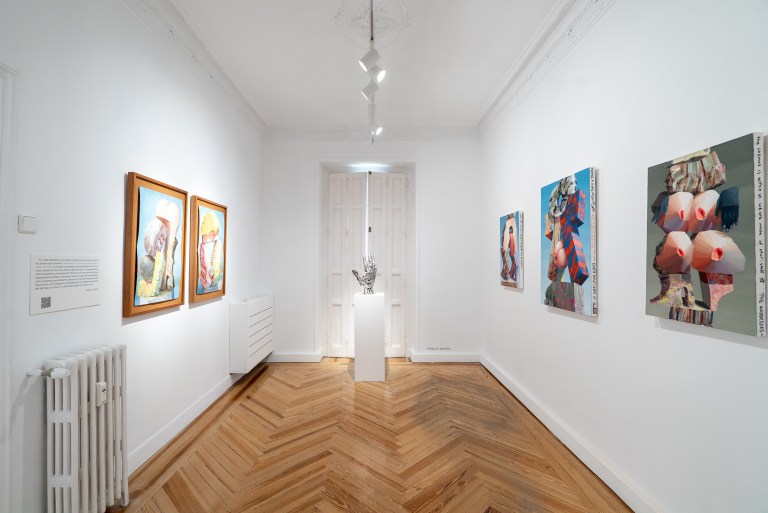
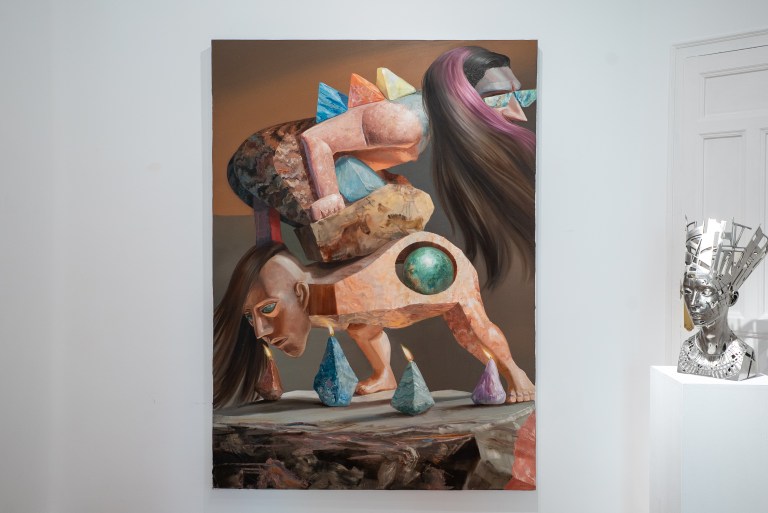
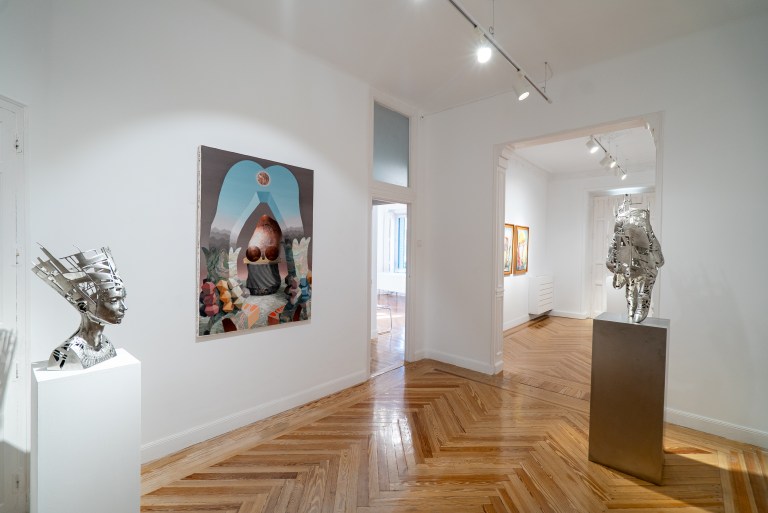
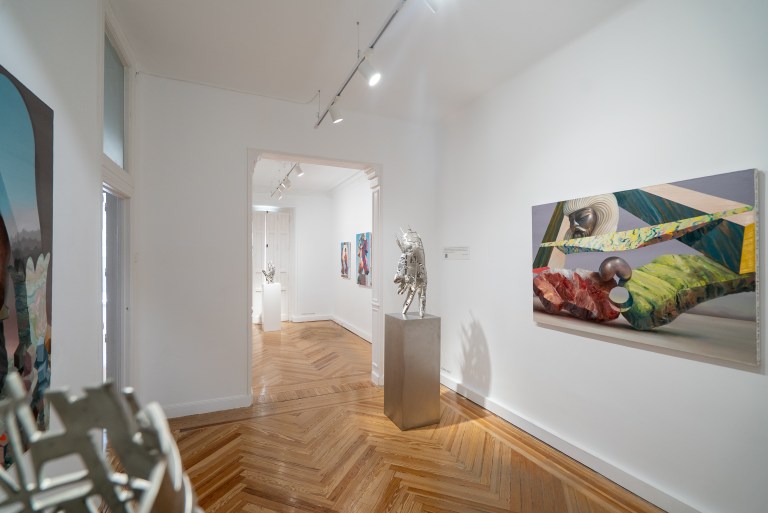
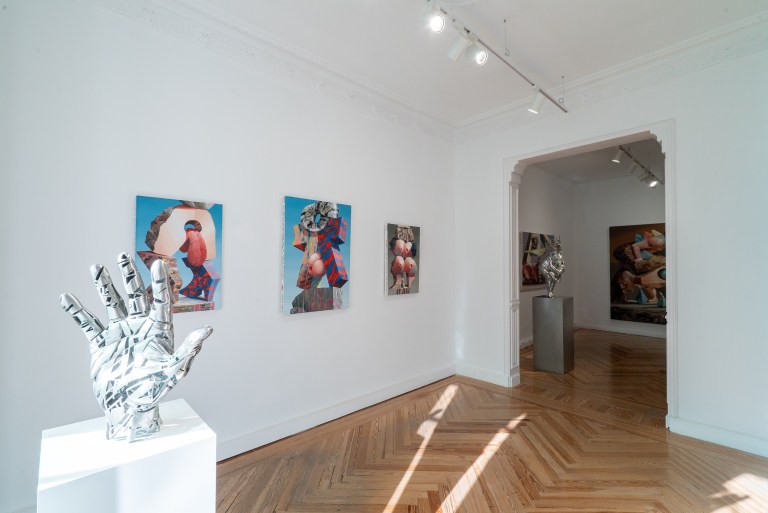
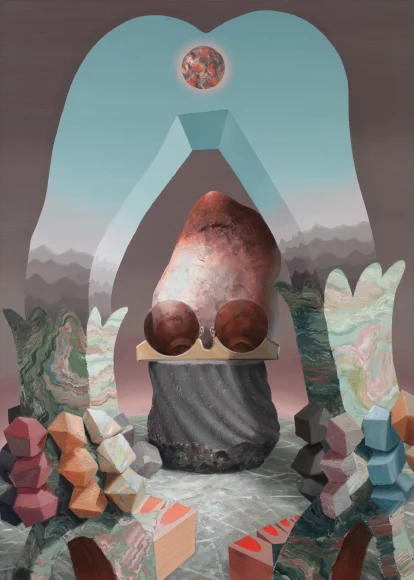
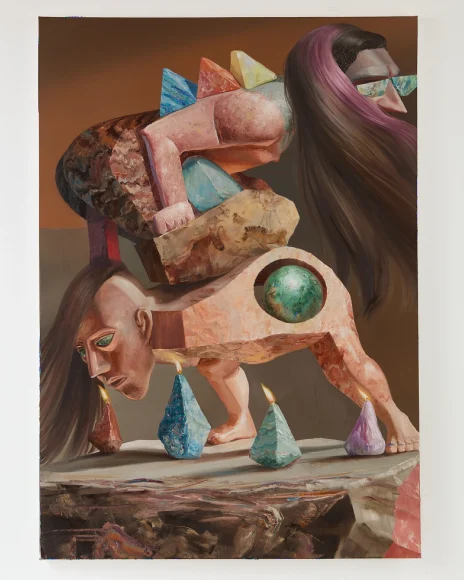
Horacio Quiroz reimagines the body as an emotional and symbolic landscape—fragmented, mutable, and resilient. Drawing from his series Goddesses of Spoiled Lands and En Escombros Monolíticos, the artist weaves anatomy, myth, and queer identity into hybrid figures that challenge traditional ideals of beauty and form.
Stones, skin, and ruins coexist in these works as vestiges of trauma, memory, and desire. Through a sculptural approach to painting, Quiroz elevates the incomplete and the wounded, offering a vision of the body as both archive and altar—imperfect, sacred, and always in transformation.


FEATURED ARTWORKS
ABOUT THE ARTIST
HORACIO QUIROZ
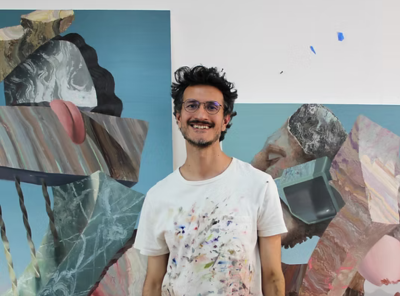
Horacio Quiroz explores duality, gender, and transformation through surreal, hyper-detailed figures. His work fuses queerness, mythology, and ecology into vibrant, corporeal paintings that balance beauty and distortion.
CURATORS' COMMENTARY
by Pablo García
Madrid, 2025
Horacio Quiroz’s work exists at a fertile intersection of symbolic anatomy, contemporary mythology, and a critique of normative systems of bodily representation. His painterly approach, marked by technical precision and high conceptual density, creates a unique language in which the human form is presented as an entity in constant transformation: emotional and historical matter that resists simplification.
This exhibition brings together pieces from two key series in his recent practice: Goddesses of Spoiled Lands and En Escombros Monolíticos. Both explore how the body can be read—and represented—as a surface of affective inscription, a dynamic archive of experience, desire, memory, and trauma. Far from idealization, Quiroz’s bodies are fragmented yet active territories, unstable topographies that condense the effects of time, culture, and identity on living matter.
In Goddesses of Spoiled Lands, the artist closely observes the urban environment of Mexico City—particularly its cracked sidewalks—to construct figures that emerge as ephemeral deities formed from layers of stone, history, and myth. These hybrid entities, articulated through a queer vision of symbolic power, evoke the simultaneous presence of the residual and the cosmic, the eroded and the transcendent. Rocks appear not only as geological material, but as narrative remnants: traces of entropic processes, repositories of accumulated energy, and devices for connecting the earthly with the spiritual.
En Escombros Monolíticos offers a rereading of the body through ruin and reconstruction. Here, Quiroz reimagines anatomy as an affective architecture composed of fragments, fissures, and tensions. Rather than depicting collapse, these figures express the power of the incomplete, the excessive, and the wounded as legitimate forms of existence. The pictorial matter—stretched flesh, broken blocks, mineral textures—takes on a sculptural dimension that challenges the binary logic of beauty versus grotesque. The inert becomes sensual; the abject becomes symbolic.
Both series share an aesthetic operation that displaces traditional notions of unity, proportion, or canon, offering instead an ethics of the fragmentary and a poetics of transformation. Taken together, Horacio Quiroz’s body of work presents a radical vision of identity as an open construct, and of the body as a living interface between the personal and the collective, the sacred and the material.